
Clark County Marriage License
Clark County marriage license planning starts in Neillsville, where the county clerk keeps the marriage process tied to the office clock and the application window. If you are searching for Clark County marriage license details, the practical questions are simple: when can you apply, what does the clerk want to see, and how long will the license stay usable after it is issued. The county gives clear directions, which helps if you are trying to fit the appointment around work, travel, or a wedding weekend. With the right paperwork in hand, the visit can stay quick and the ceremony plan can stay on track.
Clark County Marriage License Checklist
Clark County wants the application to be complete before the license is issued, and that starts with basic identity and residence proof. The county says both applicants sign before the county clerk or deputy, which keeps the application chain clear. It also asks for the residence municipality, the officiant's name, the ceremony place, parents' middle names, and the mother's maiden name. Those details are not filler. They are the pieces the office uses to make sure the record is complete and that the ceremony information matches the license.
The official county marriage-licenses page at clarkcountywi.gov/marriage-licenses is the best first stop for the local intake process. It is also where you can see how the county expects applicants to present themselves when the paperwork is signed. WisconsinLawHelp explains the statewide marriage rules at wislawhelp.org/page/517/requirements-valid-marriage, and those rules matter here because they set the age floor, the waiting-period logic, and the broad rules for who can marry in Wisconsin.
For younger applicants, the state age rules still control. People 18 and older can marry without additional permission, while 16- and 17-year-olds need the required parental consent. If either applicant was married before, bring the prior marriage documents as part of the first visit. That keeps the clerk from having to pause the application and ask for a second trip.
The county's marriage-licenses page at www.clarkcountywi.gov/marriage-licenses is also where the local officiant and witness rules start to come into focus, so it is worth reading before you drive to Neillsville.
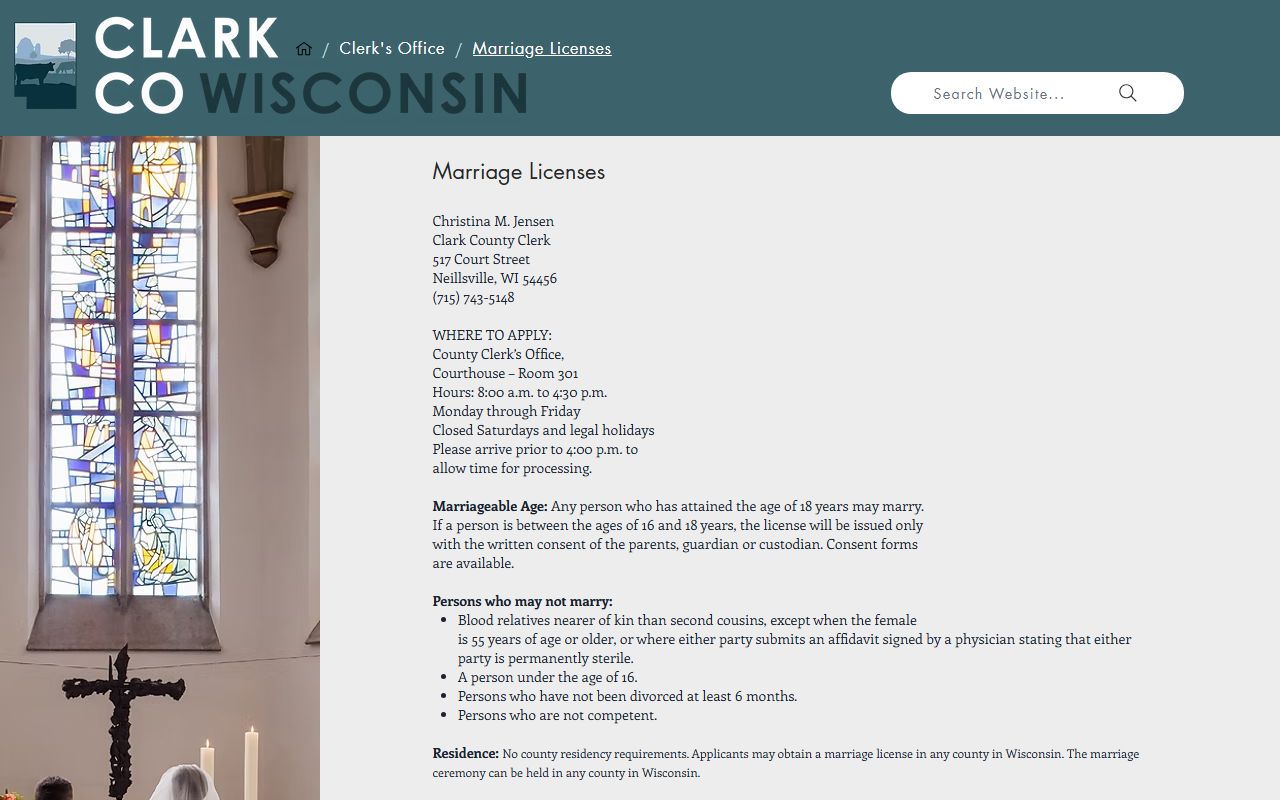
That official page is the cleanest way to confirm the county's local intake steps before you arrive.
Clark County Clerk Office
Christina M. Jensen is the county clerk, and the office is at 517 Court Street, Room 301, Neillsville, WI 54456. The phone number is (715) 743-5148 and the fax number is (715) 743-5154. Office hours are Monday through Friday from 8:00 a.m. to 4:30 p.m., but applicants should arrive before 4:00 p.m. if they want to start the marriage-license process that day. The office is closed on weekends and legal holidays, so a last-minute trip on Saturday will not work.
That timing makes Clark County feel practical rather than mysterious. The clerk gives you a solid window, but you still need to respect the cutoff. If your wedding plans are tight, the difference between 3:50 p.m. and 4:05 p.m. matters. The county seat of Neillsville is small enough that the courthouse visit can be efficient, but only if you schedule it like an office errand instead of a casual stop.
The forms and fee info page at clarkcountywi.gov/forms-applications-fee-info is the county's other official page to check before you leave home, especially if you want to see how the office organizes the application flow.
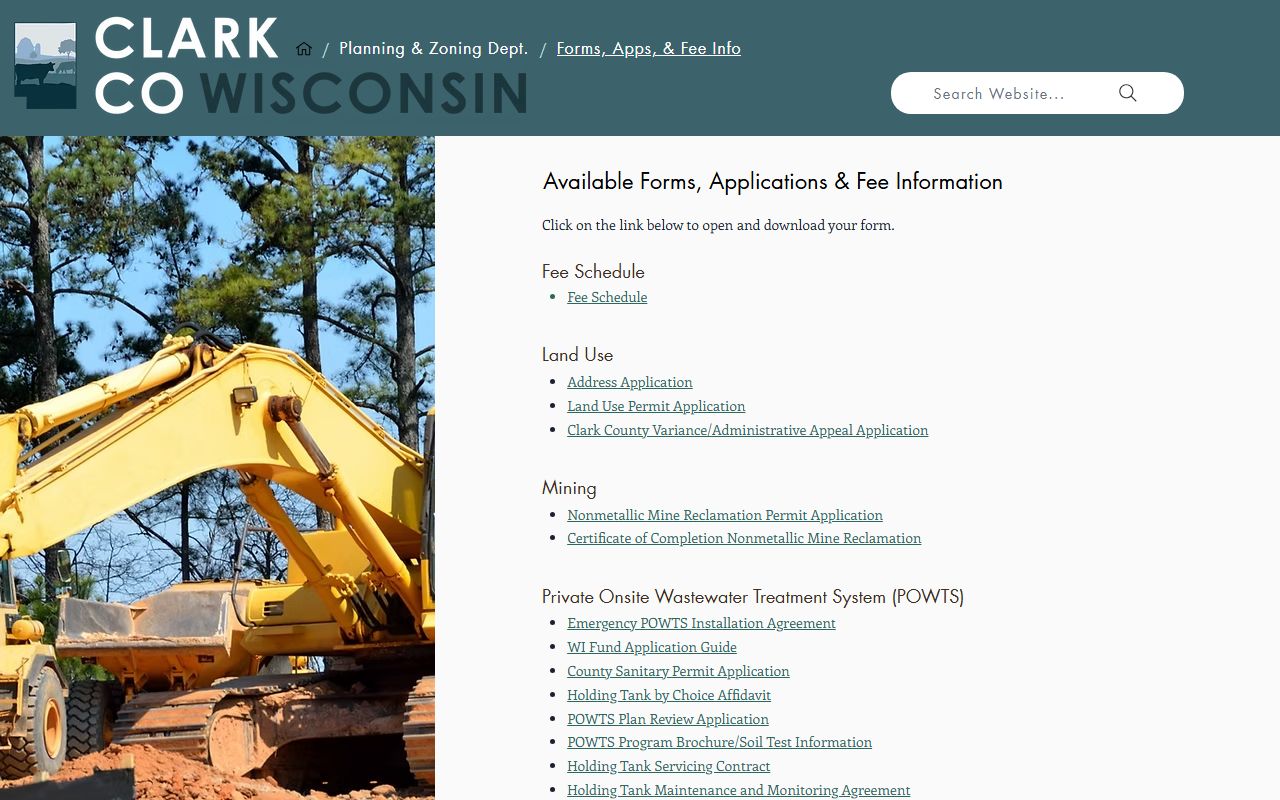
That page is useful when you want the office forms and the fee notes in one spot.
Clark County Marriage License Timing
Clark County uses a three-day waiting period, not counting the day you apply. The license is valid for 60 days once issued, and the county also allows a waiver for good cause with a $10 fee. That combination is generous enough for planned weddings, but it still puts pressure on couples who are trying to line up travel, an officiant, and a venue at the same time. WisconsinLawHelp explains the statewide waiting-period structure at wislawhelp.org/page/517/requirements-valid-marriage, which makes it easier to compare the county's local timing with the larger state rule set.
Clark County is also clear that applicants may obtain the license in any Wisconsin county and that the ceremony can be held in any county. That flexibility helps if you live near a border or if your venue is outside Neillsville. It also means the application county and the ceremony county do not have to match, which is useful when family is spread out or the wedding site is chosen for its view rather than its courthouse.
The county law library page at wilawlibrary.gov/topics/county.php?c=Clark&a=a&l=l&f=f&r=r is a good public summary if you want the local rules and the state references side by side.
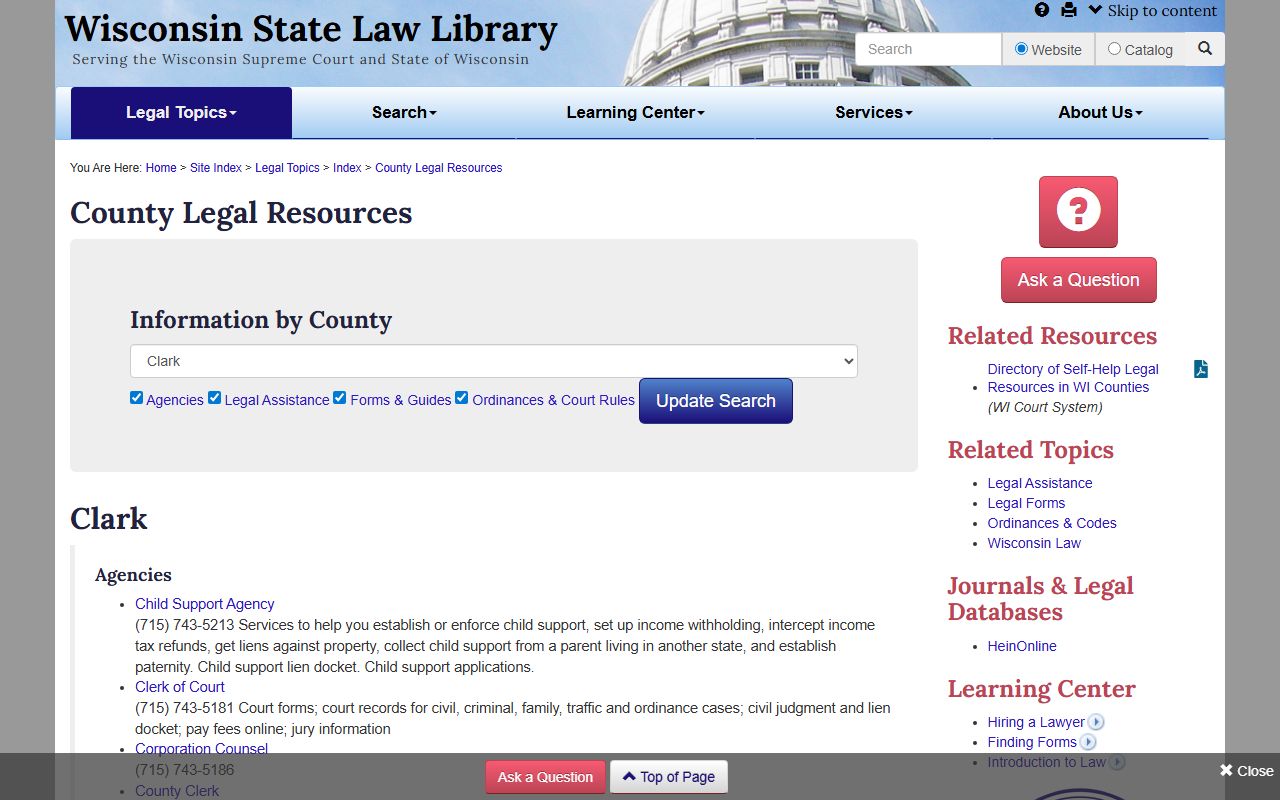
That reference is useful when you want the county rule set alongside the official record sources.
The county also lists who can officiate. Judges, ordained clergy, court commissioners, municipal judges, and some local officiant contacts can solemnize the marriage, and the witnesses must be 18 or older to sign the certificate. Those rules keep the ceremony side tight, even when the wedding itself is simple.
Clark County Marriage Records
After the ceremony, the marriage record becomes the part most couples need later for name changes, benefits, or family paperwork. The county office still controls the record trail, and that is why the clerk and the later copy request matter more than any outside checklist once the wedding is over.
If you need a certified copy later, the county forms page and the state vital-records office are the best backstops. The Wisconsin Department of Health Services keeps the statewide marriage record system at dhs.wisconsin.gov/vitalrecords, and the Wisconsin Register of Deeds Association page at wrdaonline.org/vitalrecords explains the common copy-fee pattern. That is useful because Clark County sits inside the broader Wisconsin record system even though the local clerk handles the actual license.
For older family history, the Wisconsin Historical Society can help if you are looking beyond the modern marriage-license era and into the older county record set.
That county office remains the source that actually issues the license.